

What Students Will Learn
Technique & Sound
- Clear and controlled tabla technique appropriate to level
- Stronger sound production and rhythmic accuracy
- Connecting spoken bols with hand movements
- Developing consistent technique within group practice
Recitation & Listening
- Speaking and reciting tabla bols individually and together
- Rhythm counting and internal pulse development
- Listening and responding to other students
- Staying together within the rhythmic cycle
Taal & Group Repertoire
- Understanding taal and rhythmic cycles
- Understanding matra, vibhag, sam, tali, and khali
- Teentaal, Keharwa, Dadra, and other taals according to level
- Tabla compositions and rhythmic patterns
Ensemble & Musical Awareness
- Playing compositions together with accurate timing
- Developing listening, coordination, and ensemble awareness
- Structured practice habits and musical discipline
- Accompaniment and performance awareness as students progress
Students do not simply play at the same time. They learn to listen, count, recite, follow, respond, and remain together within the rhythmic cycle. This helps develop stronger timing, concentration, confidence, and musical awareness.
The Value of
Learning Together
Group tabla lessons create a different type of musical learning experience.
Students learn not only from the teacher, but also by listening to how other students speak, count, practice, and perform rhythmic material.
Playing and reciting together helps students strengthen timing, maintain a steady pulse, recognize mistakes, and become more aware of the rhythmic cycle.
Group learning can also encourage motivation, discipline, confidence, and consistency as students progress alongside others at a similar level.
The teacher continues to guide technique, rhythm, compositions, and musical development while helping the group work together in a structured and focused way.
Rhythm, Listening & Musical Interaction
Every taal is organized around a specific number of beats, and group learning helps students experience these cycles together.
Students learn to count matras, speak bols, recognize divisions, maintain tempo, follow sam, and understand how rhythmic phrases relate to one another within the taal.
They also develop the ability to listen while playing — an important skill for accompaniment, ensemble work, performance, and long-term musical growth.
As students progress, group training can introduce more developed rhythmic exchanges, compositions, variations, and musical interaction.
Structured Group Learning
Students work together through listening, recitation, counting, technique, compositions, rhythmic exercises, and guided practice.
Material is introduced progressively so that the group can develop with clarity and consistency.
Students are encouraged to participate actively, listen to one another, maintain rhythmic discipline, and gradually become more confident within a shared musical environment.
The goal is to create a balance between individual development and collaborative musical learning.
Our Guru Parampara
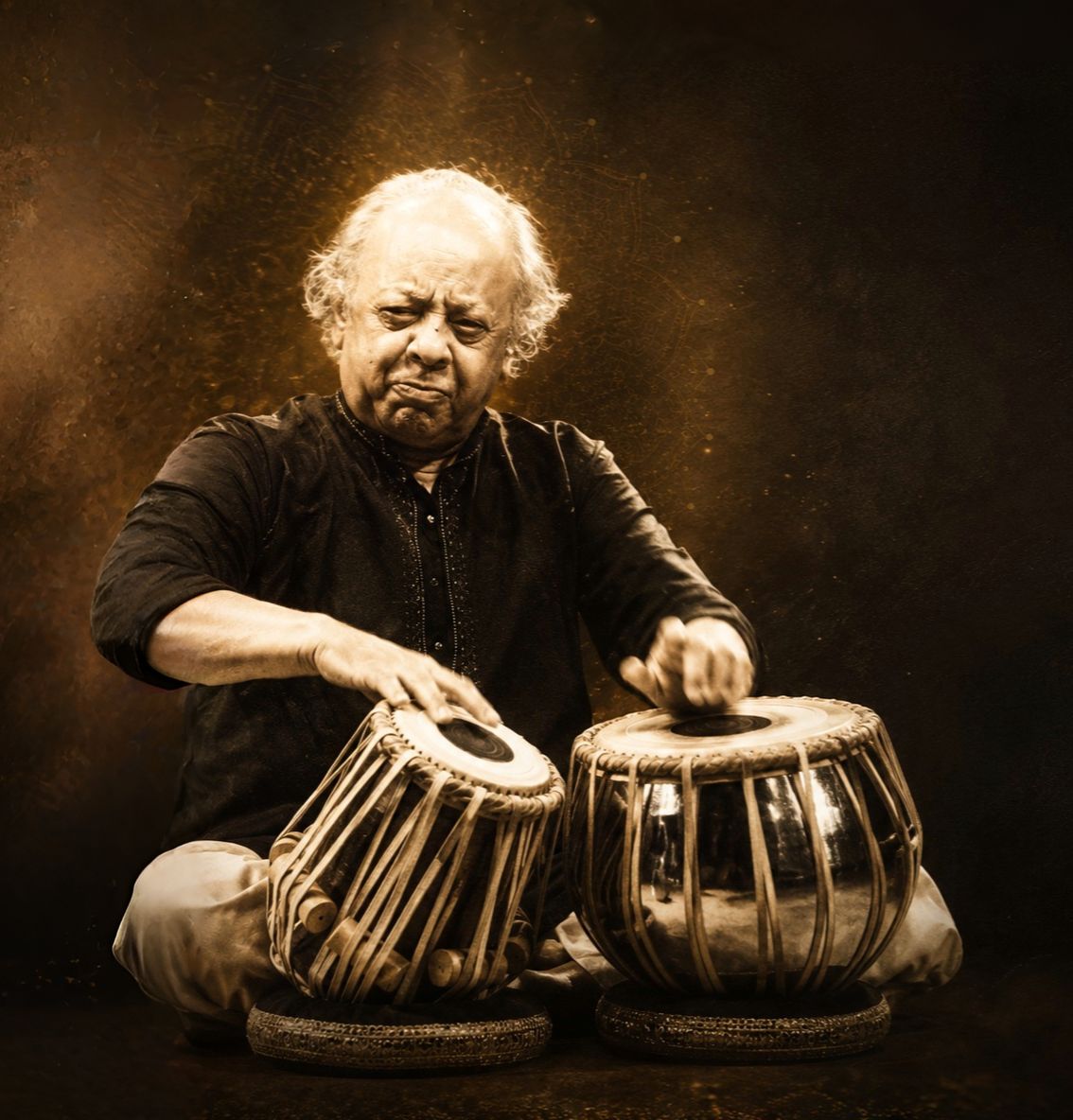
Ustad Allah Rakha
Legendary Tabla Maestro
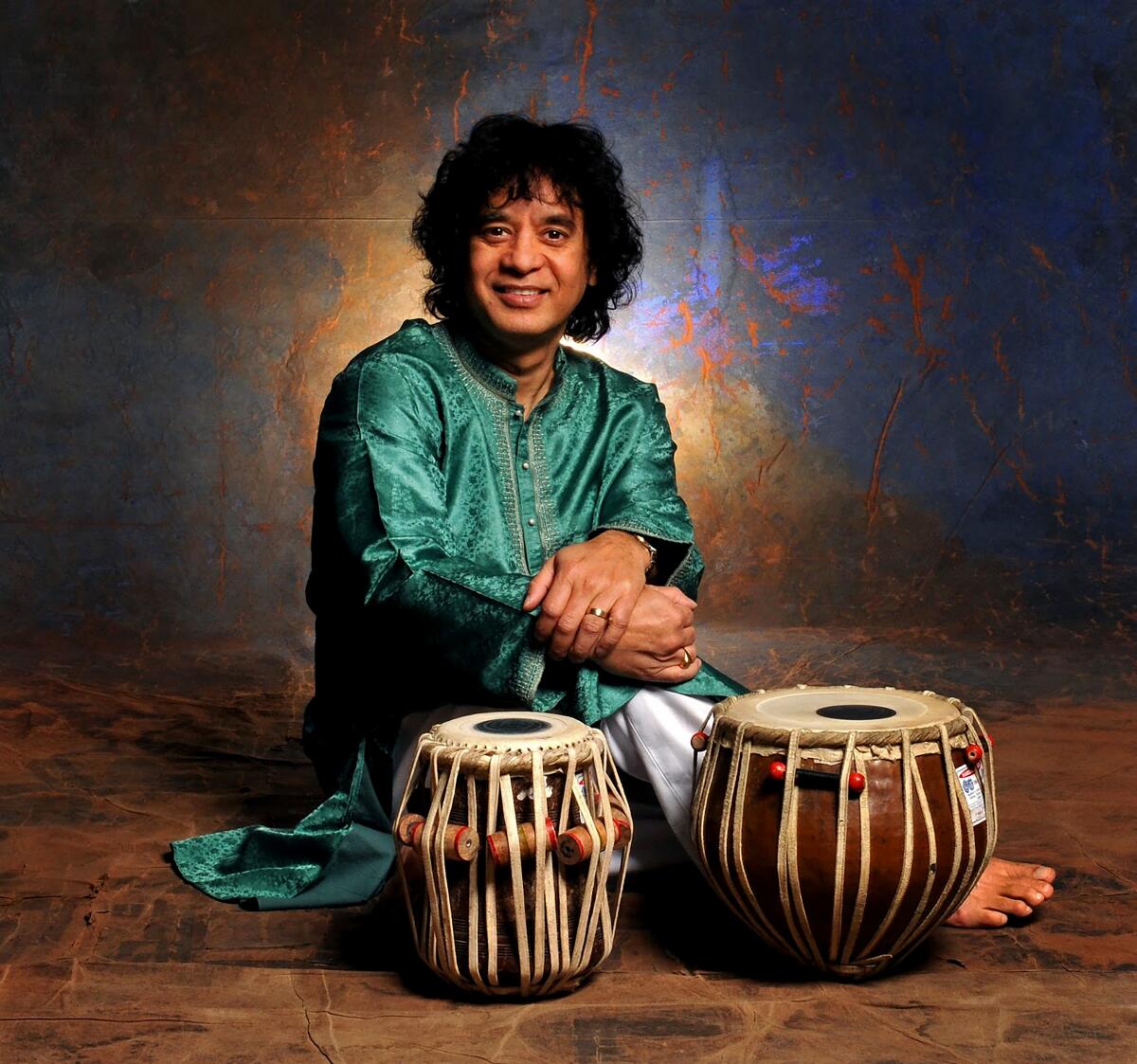
Ustad Zakir Hussain
Global Icon of Tabla
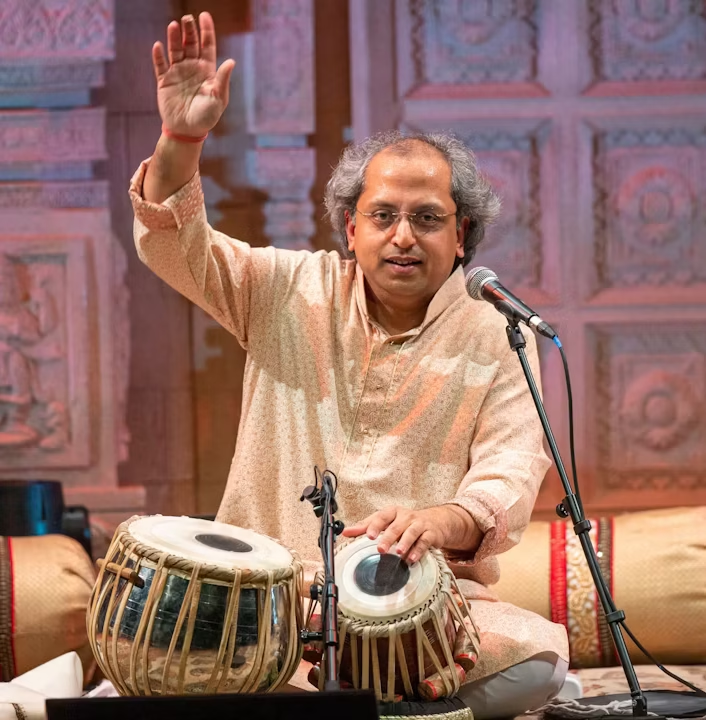
Pandit Yogesh Samsi
Eminent Tabla Virtuoso
The teaching at Rhythm Eternal is deeply rooted in the Guru-Shishya Parampara and carries forward the knowledge, discipline, musical values, and traditions passed down through generations of great tabla masters.
Founder and Artistic Director Anirban Roy Chowdhury has devoted his life to learning, performing, and teaching tabla under the guidance of some of the greatest masters of the tradition.
His years of training and musical experience form the foundation of the teaching approach at Rhythm Eternal.
Group learning carries these values into a collaborative setting where students develop discipline, listening, rhythmic awareness, and respect for the musical process.
Group Lessons by Level
Who Can Join?
Students should have sufficient foundational technique and rhythmic understanding to participate effectively in a group environment.
For complete beginners, private lessons may be recommended first so that posture, hand technique, sound production, bols, and basic rhythm can be developed correctly.
Group placement may be recommended according to the student’s age, level, technique, rhythmic understanding, and previous training.
Group Class Format
Online Group Classes
Live interactive group instruction for students who can participate remotely from the United States or other locations around the world.
In-Person Group Classes
Face-to-face group instruction at selected Rhythm Eternal teaching locations in New Jersey and New York.
Students are grouped as carefully as possible according
to level, age, rhythmic ability, and learning needs so
that the class remains productive and musically balanced.
Availability and group schedules may vary, so students
and parents are encouraged to contact Rhythm Eternal
before enrolling.
Grow Through Rhythm Together
Learning with others can strengthen listening, timing, confidence, discipline, and musical awareness in powerful ways.
Develop your individual tabla skills while learning how to listen, respond, and grow within a shared rhythmic environment through structured group tabla lessons at Rhythm Eternal.