

What Students Will Learn
Technique & Sound
- Proper sitting posture and tabla positioning
- Correct hand and finger techniques
- Clear, balanced, and controlled sound production
- Fundamental and advanced tabla bols according to level
Speaking & Understanding Rhythm
- Speaking and reciting rhythmic phrases before playing
- Connecting spoken bols accurately with hand movements
- Rhythm counting and internal pulse development
- Understanding taal and rhythmic cycles
Taal & Repertoire
- Understanding matra, vibhag, sam, tali, and khali
- Teentaal, Keharwa, Dadra, and other taals according to level
- Tabla compositions and rhythmic patterns
- Practice techniques and structured daily practice
Musical Development
- Listening, coordination, and musical awareness
- Building confidence and rhythmic accuracy
- Accompaniment skills as students progress
- Performance preparation according to level
Students are encouraged to listen, speak, count, recite, understand, and then play. This approach helps students develop a genuine rhythmic foundation instead of relying only on imitation or memorized hand movements.
The Value of
Face-to-Face Learning
In-person tabla lessons allow the teacher to observe the student closely and respond immediately to technical and musical details.
Posture, hand position, finger placement, pressure, movement, sound clarity, timing, and coordination can all be corrected directly during the lesson.
Students can hear the natural sound of the tabla in the room, observe demonstrations from different angles, and experience rhythmic interaction more directly.
This personal learning environment helps students develop strong habits, clearer technique, better listening, and a deeper connection with the instrument.
Regular face-to-face guidance also allows the teacher to adapt each lesson according to the student’s age, level, progress, and musical needs.
Rhythm, Numbers & Musical Understanding
Every taal is built around a specific number of beats. Students gradually learn to count, divide, subdivide, repeat, and organize rhythmic phrases within these cycles.
By speaking bols, counting matras, recognizing rhythmic patterns, and understanding how phrases return to sam, students develop concentration, timing, memory, coordination, and a stronger awareness of rhythmic structure.
As students progress, this foundation supports deeper study of compositions, accompaniment, improvisation, layakari, and performance.
Structured Learning in a Traditional Environment
Students learn step by step — listening, speaking rhythms, understanding bols, counting rhythmic cycles, developing hand technique, improving sound clarity, learning compositions, and gradually connecting these elements into musical expression.
Direct interaction with the teacher allows students to ask questions, receive immediate feedback, repeat difficult passages, and refine small technical details during the lesson.
The goal is to build strong fundamentals while creating a serious, welcoming, and inspiring environment for long-term musical growth.
Our Guru Parampara
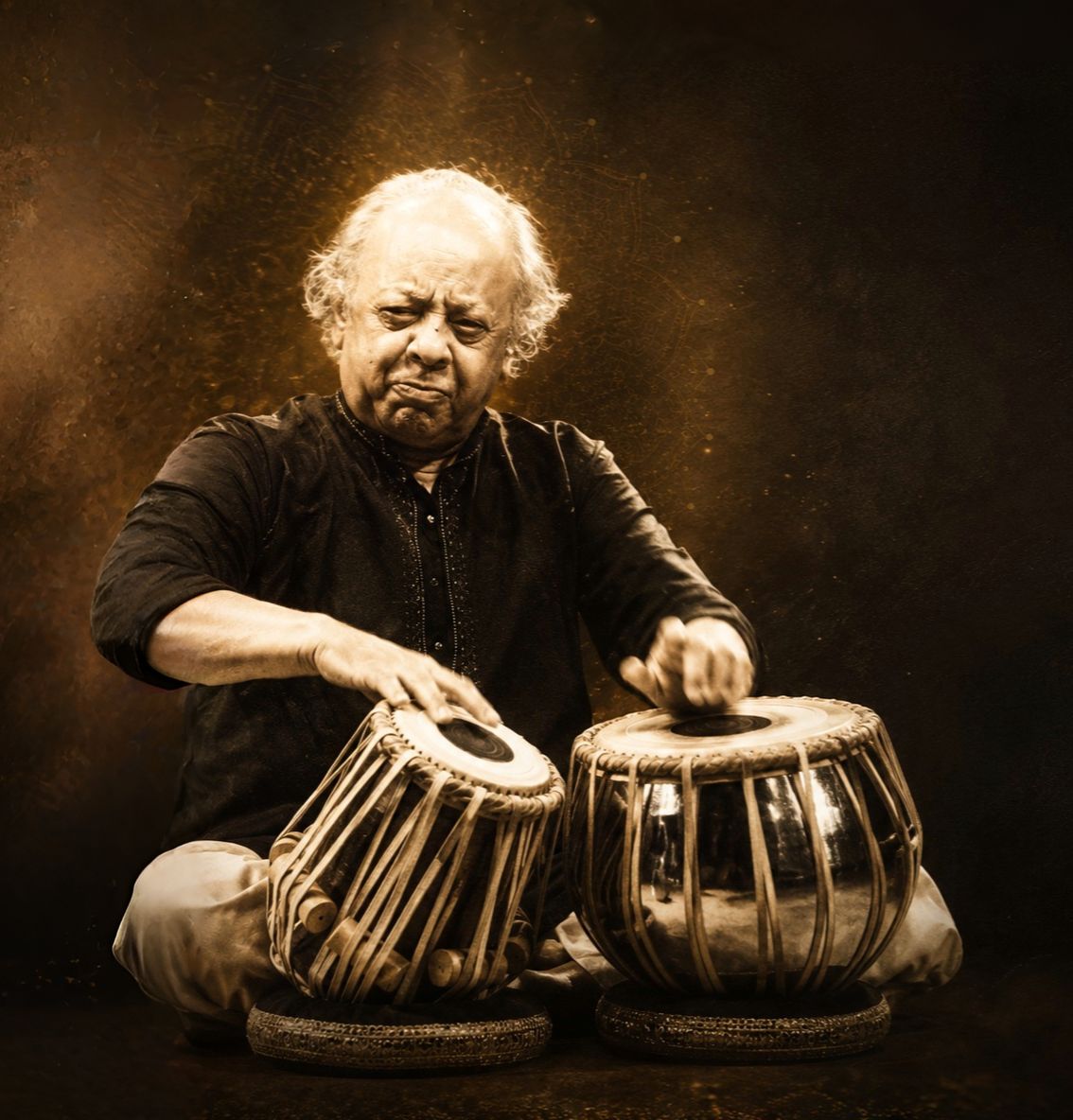
Ustad Allah Rakha
Legendary Tabla Maestro
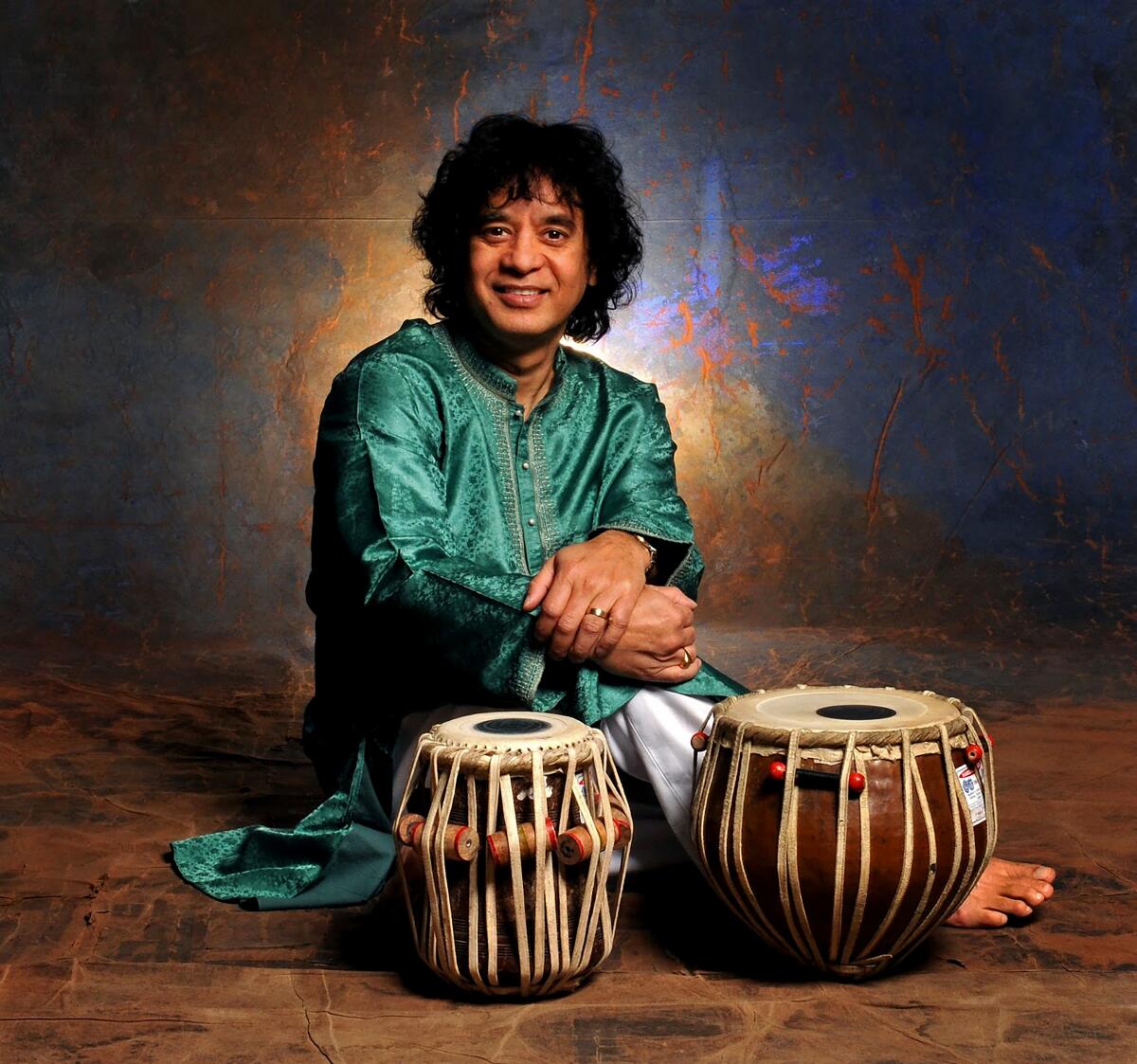
Ustad Zakir Hussain
Global Icon of Tabla
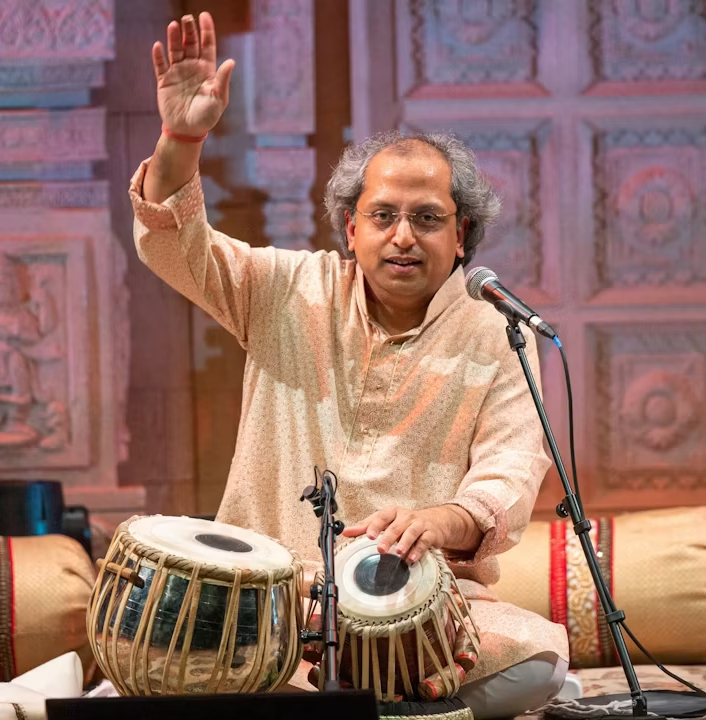
Pandit Yogesh Samsi
Eminent Tabla Virtuoso
The teaching at Rhythm Eternal is deeply rooted in the Guru-Shishya Parampara and carries forward the knowledge, discipline, musical values, and traditions passed down through generations of great tabla masters.
Founder and Artistic Director Anirban Roy Chowdhury has devoted his life to learning, performing, and teaching tabla under the guidance of some of the greatest masters of the tradition.
His years of training and musical experience form the foundation of the teaching approach at Rhythm Eternal.
In-person instruction allows students to experience this tradition through direct guidance, observation, correction, repetition, and musical interaction.
In-Person Learning Options
Who Can Join?
No previous musical experience is required for beginners.
Students with previous tabla training can be placed at an appropriate level based on their technique, rhythmic understanding, repertoire, and musical experience.
In-Person Class Locations
Face-to-face tabla training at selected Rhythm Eternal teaching locations.
Selected in-person learning opportunities based on current scheduling and availability.
Classes are scheduled based on location availability,
student level, age, and learning format.
Students and parents can contact Rhythm Eternal to
learn about current class locations, available schedules,
private lesson options, and suitable learning arrangements.
Location and scheduling details may vary, so students
are encouraged to book a trial class or contact the
academy before enrolling.
Begin Your In-Person Tabla Journey
Direct guidance can make a powerful difference in the way a student learns rhythm, technique, sound, and musical expression.
Experience structured, traditional, and personalized tabla training in a focused face-to-face learning environment at Rhythm Eternal.